Ears feeling clogged or eyes turning red after a swim? Here's how to spot swimmer's ear and viral pink eye, treat them early, and prevent both this summer.
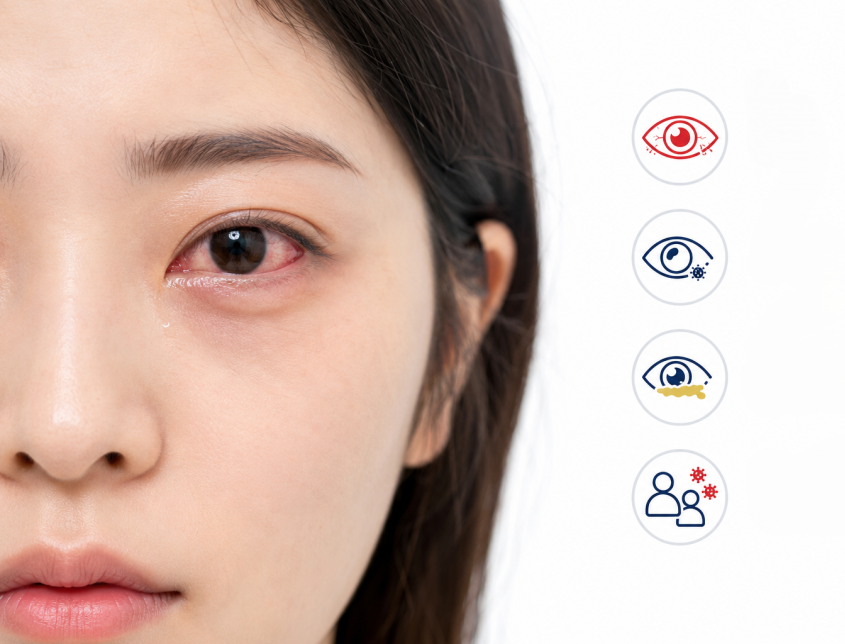
Summer means pool days, beach trips, and lake weekends — but it also means more time with water sitting in your ears and splashing near your eyes. If you've come home from a swim with a clogged, achy ear or a red, gritty-feeling eye, you're not imagining things. Swimmer's ear (otitis externa) and viral pink eye (epidemic conjunctivitis) are two of the most common infections tied to summer water activities, and both tend to spike right along with pool attendance.
Neither condition is usually dangerous if you catch it early, but both can get uncomfortable — and pink eye in particular spreads fast through a household. Here's what causes them, how to tell them apart from ordinary post-swim irritation, and when it's actually time to see a doctor.
Quick self-check: do these symptoms sound familiar?
- Your ear feels full or muffled after swimming, and it doesn't clear up
- Tugging on your earlobe or pressing near your ear makes the pain worse
- One or both eyes are red, watery, or feel like there's sand in them
- You wake up with your eyelids crusted shut from discharge
If any of this sounds like you, read on — and if symptoms are severe, skip ahead to the "When to see a doctor" section below.
Why swimming season is prime time for ear and eye infections
Warm temperatures and humidity let bacteria and viruses multiply faster, and pools, lakes, and water parks put a lot of people in close, shared water. Add hours of ears and eyes staying wet, and the skin and mucous membranes that normally act as a barrier start to break down. Public swimming facilities also concentrate hand-to-eye and hand-to-surface contact, which is exactly how pink eye spreads.
Swimmer's Ear (Otitis Externa): What's Actually Happening
Swimmer's ear is an infection of the ear canal — the passage that runs from your outer ear to your eardrum. According to the Mayo Clinic, it's usually caused by bacteria, though fungal infections account for a smaller share of cases.
Under normal conditions, your ear canal's slightly acidic environment and natural earwax keep bacteria in check. But when water lingers in the canal after a swim, or when you scratch or clean the area too aggressively with a cotton swab, that protective barrier breaks down — giving bacteria (or fungus) room to take hold. Cleveland Clinic notes that swimmer's ear affects roughly 1 in 10 people at some point in their lives, most often older children and teens, though anyone can get it.
Who's more likely to get it
- People who wear earbuds or in-ear headphones for long stretches
- Frequent cotton-swab users
- People with eczema or other skin conditions
- People with diabetes
- Regular swimmers
How symptoms typically progress
| Stage | What you'll notice | What to do |
| Early | Mild itching inside the ear, a "plugged" feeling | Keep the ear dry, watch for changes |
| Progressing | Pain when touching or tugging the ear, clear or watery discharge | See an ENT for prescription ear drops |
| Advanced | Severe pain, thick or pus-like discharge, temporary hearing loss, possible swelling of nearby lymph nodes | Needs prompt medical treatment, sometimes oral antibiotics |

Pink Eye After Swimming: Usually Viral, Highly Contagious
If your eyes turn red and gritty-feeling after a day at the pool, viral conjunctivitis — commonly called pink eye — is a likely culprit. It's typically caused by adenovirus, which spreads easily through contact with infected tears, discharge, contaminated hands, towels, or shared surfaces. Public pools and water parks, where hand hygiene often takes a back seat, are a classic setting for outbreaks.
How long is it contagious?
This is the detail most people underestimate. Multiple clinical sources, including a StatPearls review published by the NIH, put the contagious window at roughly 10 to 14 days from symptom onset, and some patients remain infectious for up to three weeks. That's why doctors recommend keeping separate towels and pillowcases, washing hands frequently, and staying out of shared pools until symptoms clear.
Common symptoms
- Redness and a gritty or sandy feeling in one or both eyes
- Thick discharge that can crust the eyelids shut overnight
- Watering, eyelid swelling, and sensitivity to light
- Tender, swollen lymph nodes near the ear or under the jaw
Viral pink eye vs. allergic conjunctivitis
It's easy to confuse the two, but they're treated very differently.
| Viral (Epidemic) Conjunctivitis | Allergic Conjunctivitis | |
| Cause | Adenovirus infection | Pollen, dust, cosmetics, pet dander |
| Contagious? | Yes — highly | No |
| Discharge | Watery to thick, sometimes crusty | Clear, thin, stringy |
| Main complaint | Redness, discomfort, swollen lymph nodes | Intense itching |
| Typical duration | 2–3 weeks | Improves within days once the trigger is removed |
When to See a Doctor
For swimmer's ear, seek care if you notice:
- Pus or discharge draining from the ear
- Sudden hearing loss
- Fever
- Pain that's severe or getting worse
For pink eye, seek care if you notice:
- Blurred vision
- Significant pain when looking at light
- Swelling severe enough that you can't fully open your eye
- Intense pain rather than mild irritation
Treatment: What Helps, and What to Avoid
Swimmer's ear
- See an ENT. Prescription ear drops — often antibiotic, sometimes combined with a steroid, an acidic solution, or an antifungal — are the standard treatment, and most cases clear up within 7 to 10 days.
- Don't put anything in your ear. Cotton swabs, fingers, or ear picks are the single most common way people make swimmer's ear worse by pushing the infection deeper.
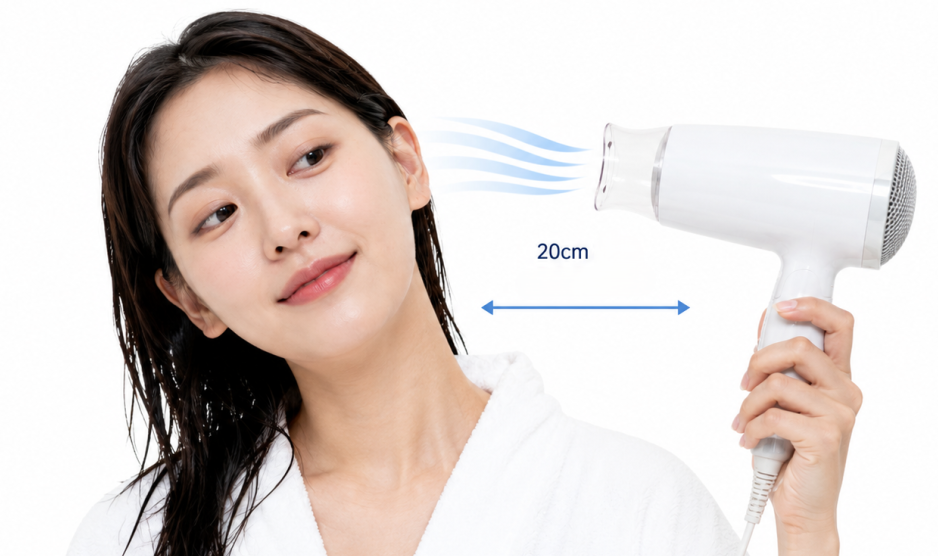
- Keep the ear dry while it heals. Avoid letting water into the ear when showering, and if you need to dry the outer ear, use a hair dryer on the coolest setting, held several inches away.
Pink eye
- See an eye doctor if symptoms are more than mild. Treatment focuses on preventing secondary bacterial infection and easing discomfort; there's no medication that cures the virus itself.
- Skip the eye patch. Covering the eye tends to trap discharge and moisture, which doesn't help healing.
- Try a cool compress. A clean, damp washcloth held gently over closed eyelids can ease swelling and discomfort.
Prevention: Protecting Your Ears and Eyes in the Water
| Ear protection | Eye protection | |
| During swimming | Wear earplugs if you're prone to water getting trapped; avoid diving into water of questionable cleanliness | Wear swim goggles at pools and water parks; never open your eyes underwater |
| Right after swimming | Tilt your head to let water drain out; gently pull on the earlobe to help it along | Rinse eyes with clean running water or preservative-free saline if needed; keep hands away from your eyes |
| Ongoing habits | Stop using cotton swabs; dry ears with cool air from a distance; see an ENT if fullness lasts more than 2 days | Don't share towels or pillowcases; skip the pool while any eye symptoms are present |
FAQ
Water got in my ear — what should I do?
Tilt your head to the side, gently tug your earlobe, and hop on one foot to help it drain naturally. Give it time rather than reaching for a cotton swab, and if needed, dry the outer ear only with a hair dryer on cool, held a few inches away.
How long is it normal for my ear to feel clogged after swimming?
Most water-elated fullness clears up within a few hours to a day. If it lasts more than two days, or comes with pain, it's worth getting checked by an ENT.
Can I go swimming if I have pink eye?
No. It's genuinely contagious, and swimming with active symptoms risks spreading it to others sharing the water.
Is it okay to put rubbing alcohol in my ear?
Not on your own. Depending on the condition of your eardrum, this can cause more harm than good — check with a doctor first.
Do swim goggles actually prevent pink eye?
They lower the risk by limiting direct water contact with your eyes, but they don't eliminate it entirely — good hand hygiene still matters.
The Bottom Line
A little post-swim ear fullness or eye redness usually resolves on its own within a day or two. But if your ear pain is getting worse, hearing feels muffled beyond a few hours, or your eyes are crusting shut and staying red, don't wait it out — swimmer's ear and viral pink eye both respond well to prompt treatment, and both can drag on or spread to others if ignored. A few simple habits — goggles, earplugs if you need them, drying your ears well, and not sharing towels — go a long way toward making sure your summer water plans don't get interrupted by a trip to urgent care.
This article is for general informational purposes and isn't a substitute for professional medical advice. If you're experiencing ear pain, significant eye redness, vision changes, or hearing loss, consult an ENT or eye doctor for an accurate diagnosis.


