Learn to recognize heat exhaustion and heat stroke symptoms, understand who's most at risk, and follow simple prevention and first aid steps to stay safe in extreme heat.
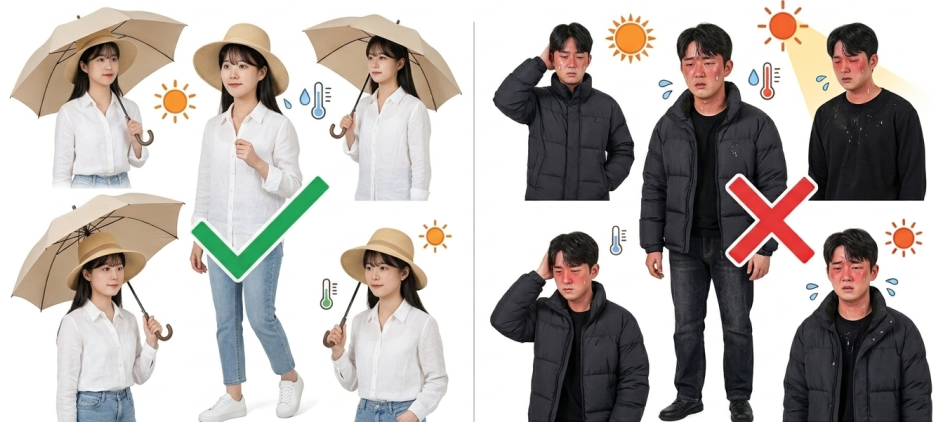
Summer heat waves are becoming more intense and more frequent, and with them comes a rise in heat-related illness. Knowing the difference between heat exhaustion and heat stroke — and knowing how to respond in the first few minutes — can genuinely save a life. This guide breaks down what causes heat-related illness, how to recognize each type, and what to do if you or someone nearby starts showing symptoms.
How Your Body Handles Heat
The human body works hard to keep its core temperature around 98.6°F (37°C), a job managed by a region of the brain called the hypothalamus. Think of it as your body's built-in thermostat.
When temperatures rise, your body cools itself through a few key mechanisms:
- Sweating, which cools the skin as it evaporates
- Widening blood vessels near the skin, which releases heat
- Increased thirst, which prompts you to replace lost fluids
These systems work well most of the time. But when the air is very hot, very humid, or both, or when you're exposed to heat for too long, they can be overwhelmed. Once the body can no longer shed heat fast enough, core temperature starts to climb — and that's when heat-related illness sets in.
Why Heat-Related Illness Happens
A combination of factors usually drives heat illness, not heat alone.
High Temperature and Humidity
When humidity is high, sweat doesn't evaporate efficiently, which blunts your body's main cooling mechanism even if you're sweating heavily.
Physical Exertion
Activities like construction work, farming, hiking, or playing sports generate additional heat from muscle activity. Combined with a hot environment, this can push core temperature up quickly.
Dehydration and Electrolyte Loss
Heavy sweating flushes out not just water but sodium and other electrolytes. Without replacing both, blood volume drops and the body's ability to regulate temperature weakens. This is why it's important to drink water on a schedule rather than waiting until you feel thirsty.
Who's Most at Risk
Heat-related illness can affect anyone, but some groups face higher risk.
| Group | Why They're at Higher Risk |
| Adults 65 and older | Reduced ability to regulate body temperature |
| Infants and young children | Sweat glands are not fully developed |
| Pregnant women | Added physical strain when body temperature rises |
| People with heart or kidney conditions | Reduced capacity to regulate fluid balance |
| People with diabetes | Higher risk of dehydration |
| Outdoor workers | Prolonged exposure to high heat |
| Athletes | Generate significant heat and sweat during activity |
Types of Heat-Related Illness
Heat illness exists on a spectrum, and each type calls for a different response.
Heat Exhaustion
Heat exhaustion is the most common heat-related illness and develops when the body loses too much water and salt through sweating. According to the U.S. Centers for Disease Control and Prevention (CDC), warning signs include heavy sweating, cold or clammy skin, a fast but weak pulse, dizziness, headache, nausea, muscle cramps, and fatigue. Body temperature is usually normal or only mildly elevated, and the person generally stays alert. Rest, fluids, and a cooler environment typically bring quick improvement — but left untreated, heat exhaustion can progress to heat stroke.
Heat Stroke
Heat stroke is a medical emergency. It happens when the body's cooling system fails entirely and core temperature climbs to 104°F (40°C) or higher, sometimes within just 10 to 15 minutes. It was once thought that heat stroke victims always stop sweating, but that's not always true — people can still sweat heavily during exertional heat stroke. The more reliable warning signs are a very high body temperature combined with confusion, slurred speech, seizures, or loss of consciousness. If you notice these symptoms, call emergency services immediately.
Heat Cramps
Heat cramps are painful muscle spasms, usually in the calves, thighs, or shoulders, caused by heavy sweating and salt loss during intense exercise or labor.
Heat Syncope
Standing in the heat for a long stretch can cause a sudden drop in blood pressure, leading to brief fainting. This usually resolves with rest in a cool place, but repeated episodes should be checked by a doctor.
Quick Comparison
| Heat Exhaustion | Heat Stroke | Heat Cramps | Heat Syncope | |
| Main cause | Fluid loss | Cooling system failure | Electrolyte loss | Drop in blood pressure |
| Body temperature | Normal to under 104°F | 104°F or higher | Normal | Normal |
| Mental state | Alert | Confused or unconscious | Alert | Briefly faints |
| Sweating | Heavy | May or may not occur | Heavy | Usually present |
| Severity | Moderate | Severe — emergency | Mild | Moderate |

How to Prevent Heat-Related Illness
Keep Your Environment Cool
- Use air conditioning or fans, and aim to keep indoor temperature around 78–82°F (26–28°C)
- Close blinds or curtains during peak sun hours
- Ventilate your home before heading out for the day
Dress for the Heat
Loose-fitting, light-colored, breathable clothing helps your body release heat more effectively. Add a wide-brimmed hat, sunglasses, and sunscreen. Dark clothing absorbs more heat, so it's best avoided on hot days.
Time Your Outdoor Activities
The hottest stretch of the day is typically between noon and 5 p.m. Where possible, schedule exercise or outdoor work for early morning or evening. If you must be outside during peak hours, take a break in the shade every 30 to 60 minutes.
Extra Precautions for Outdoor Workers
Construction, agriculture, delivery, and landscaping jobs carry a higher risk of heat illness. Working in pairs is safer, since a coworker can spot early warning signs before they become serious. Never dismiss symptoms like dizziness, headache, nausea, unusual fatigue, or excessive sweating as something to "push through" — stopping early is always the safer choice.
| Heat Index | Recommended Action |
| 88°F (31°C) and up | Keep water and rest breaks ready |
| 91°F (33°C) and up | Take a 10+ minute break every hour |
| 95°F (35°C) and up | Take a 15+ minute break every hour; adjust work schedule |
| 100°F (38°C) and up | Suspend non-essential outdoor work |
First Aid for Heat-Related Illness
The first few minutes of response matter most.
- Move to a cool location. Get the person into shade, air conditioning, or anywhere with good airflow.
- Cool the body quickly. Focus on the neck, armpits, and groin, where blood vessels sit close to the skin. A damp towel combined with a fan can speed up cooling.
- Check responsiveness. If the person is alert, offer small sips of water or an electrolyte drink. Do not give fluids if the person is unconscious, unable to speak clearly, or having trouble swallowing — there's a risk of choking.
- Call emergency services immediately if you notice any of the following:
- Loss of consciousness
- Very high body temperature
- Seizures
- Confusion or disorientation
- Repeated vomiting
- Abnormal breathing
If the person isn't breathing normally, follow emergency dispatcher instructions and begin CPR if needed.
| Condition | Give Fluids? | Call Emergency Services? | What to Do |
| Alert | Yes | If needed | Rest, hydrate, cool the body |
| Confused | No | Immediately | Cool the body, monitor closely |
| Unconscious | Never | Immediately | Clear airway, cool the body, prepare for CPR |

Frequently Asked Questions
Is a sports drink better than water in the heat?
Not necessarily. Plain water is enough for most day-to-day situations. Electrolyte drinks are more useful after prolonged exercise or heavy sweating.
Is a fan enough to stay cool indoors?
Not always. On very hot days, a fan alone may not lower indoor temperature enough — pairing it with air conditioning works better.
Can young, healthy people get heat stroke?
Yes. Heat stroke can affect anyone who overexerts themselves in high heat, regardless of age or fitness level.
Conclusion
Heat-related illness is preventable in most cases with a few consistent habits: drink water before you're thirsty, take breaks in the shade, and dial back strenuous activity during peak heat. Heat stroke, in particular, is a life-threatening emergency — if you see signs of high body temperature and confusion, call for help right away and start cooling the person down immediately. A little awareness goes a long way toward keeping yourself, your family, and your coworkers safe this summer.


