If you or someone you love has lung cancer, you’ve probably seen lists of “best foods for your lungs.” Most promise more than the evidence supports. The cancer center and patient-group guides I reviewed point to a different priority: keeping weight and strength steady while treatment is under way.
This guide covers what the guidance says, how to eat when your appetite is poor, and which popular claims deserve caution. It is general information, not medical advice.
The short version
- No food, juice, or supplement cures lung cancer or replaces treatment.
- Protecting weight, muscle, and energy usually matters more than any single “superfood.”
- Ask your care team before starting any vitamin, antioxidant, or herbal supplement.
Why weight and protein come first
Unintended weight loss is common in lung cancer, whether it comes from the disease or from treatment. In advanced cases, patients can lose weight and muscle together, a condition called cachexia. Losing weight can sap strength and make treatment harder to tolerate.
That’s why several cancer centers advise patients to try to maintain their weight during treatment. One US cancer center’s handout says patients who are overweight should still avoid a strict weight-loss diet while being treated.
Protein supports tissue repair and immune function, and needs can be higher during treatment. Ask an oncology dietitian how much you personally need. The number depends on your treatment and condition, so don’t copy one from an article.
When appetite is poor
Big plates can feel impossible during treatment. These approaches come up often in patient guidance:
- Eat small meals and snacks through the day instead of three large ones.
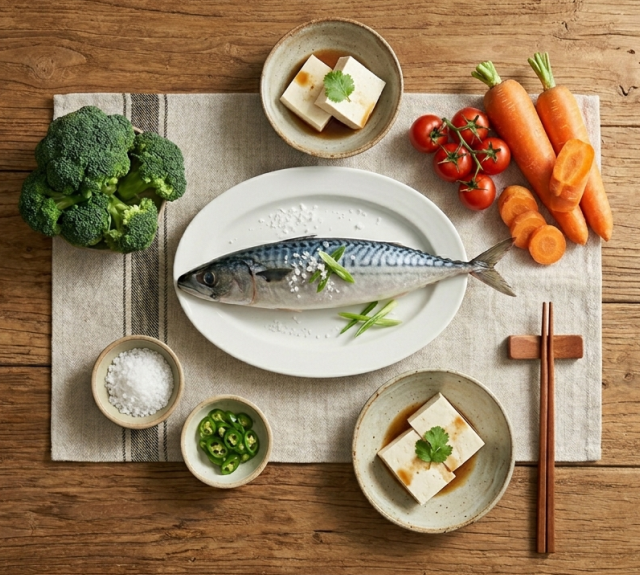
- Add a protein source to every meal and snack, such as eggs, tofu, fish, chicken, yogurt, cheese, or nut butter.
- When weight is dropping, choose foods high in calories and protein. Milkshakes, smoothies, and approved nutrition shakes are common suggestions.
- If nausea or taste changes make food unappealing, tell your care team. Your needs may differ from standard advice.
Fruits and vegetables: yes as food, careful as supplements
Fruits and vegetables supply antioxidants and fiber, and they belong in a balanced diet during treatment. Supplements are a separate question.
Large trials in the 1990s found that high-dose beta-carotene pills increased lung cancer rates in heavy smokers. One meta-analysis of randomized trials found a higher risk of lung cancer with 20 to 30 mg per day (relative risk about 1.16), and a higher risk still among smokers and asbestos workers (about 1.20). Separately, high doses of beta-carotene may interact with some chemotherapy drugs or radiation.
Beta-carotene in carrots, squash, and leafy greens is not the same exposure as a high-dose pill. Still, some multivitamins contain beta-carotene, and the amounts can add up across products. Bring every supplement you take to your oncologist or pharmacist.
Claims to treat with caution
You’ll see the following online. I found no support for them in the lung cancer nutrition guidance I reviewed:
- “Antioxidants protect you from chemo side effects.” The evidence on high-dose supplements points the other way. See the section above.
- “Detox diets clear waste from the body.” No lung cancer nutrition guide I reviewed recommends this.
- “Cut out animal foods to starve the cancer.” One patient-education guide warns that dropping animal products can remove main protein sources, and that the weight lost may be mostly muscle.
General cancer-prevention guidelines from the American Institute for Cancer Research advise limiting red meat and avoiding processed meat. Those guidelines address prevention, not treatment. Ask your dietitian how to adapt them while you’re being treated.
Safety basics during treatment
- Food safety: Cancer and its treatment can weaken the immune system, so handle, store, and cook food carefully.
- Fluids: Staying hydrated helps prevent dehydration. One US cancer center handout suggests six to eight cups of room-temperature fluids daily and advises reducing or eliminating alcohol. Your team may set a different target depending on your health.
- Interactions: Some medications and cancer treatments interact with vitamins and supplements.
For caregivers
You can’t make someone eat, and pressure at the table often backfires. These steps are more useful:
- Track weight, appetite, and side effects over several days rather than judging each meal.
- Note which foods go down easily and which don’t.
- Take that log to appointments and ask for a referral to an oncology dietitian.
- Tell the care team about ongoing weight loss, poor appetite, nausea, vomiting, or diarrhea.

FAQ
Is there a diet that shrinks lung tumors?
No. Nutrition supports your body during treatment. It does not replace it.
Which foods are best for lung cancer patients?
The best foods are the ones you can eat enough of. Focus on protein and calories first, then add fruits and vegetables.
Should I take antioxidant supplements?
Ask your oncologist first. Some high-dose supplements, including beta-carotene, carry risks in people at high risk for lung cancer, and some may interact with treatment.
Should I stop eating meat?
Don’t make that change on your own. Cutting out animal foods can leave you short on protein. A dietitian can help you choose protein sources that fit your treatment.
This article is for general information only and is not medical advice. Nutrition needs vary with treatment type, side effects, weight, and other health conditions. Talk to your oncologist and a registered dietitian before changing your diet or starting supplements.
Sources: Mary Bird Perkins Cancer Center lung cancer nutrition guide and handouts; University Health Network (Princess Margaret) lung cancer nutrition guidance; LUNGevity protein and diet articles; PearlPoint Nutrition Services; American Institute for Cancer Research recommendations (as summarized in a lung cancer nutrition webinar); Int J Cancer 2010 meta-analysis of beta-carotene trials (PubMed 19876916).


