Confused about food poisoning vs. a stomach bug? Learn the key symptom differences, common causes, home care tips, and when it's time to see a doctor.
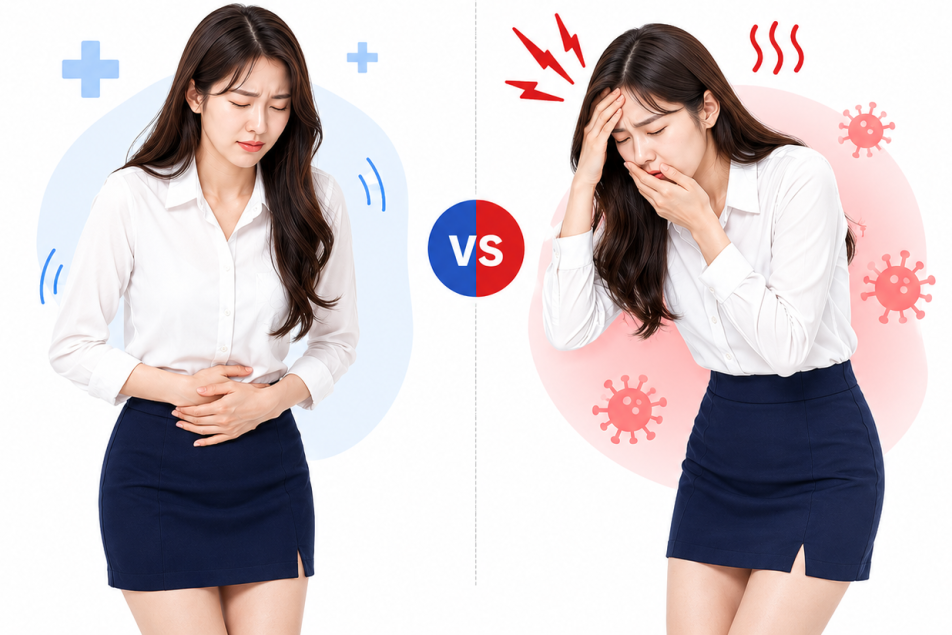
Sudden stomach cramps, nausea, or a dash to the bathroom can leave you wondering: is this just an upset stomach, or is it food poisoning? The two can feel almost identical at first, but they come from different causes and sometimes call for different treatment. Mixing them up matters — treating food poisoning like a simple stomach bug (or vice versa) can delay the care you actually need.
This guide breaks down what separates a garden-variety stomach bug from food poisoning, how to read your symptoms, what to do at home, and the warning signs that mean it's time to call a doctor.
Stomach Bug vs. Food Poisoning: The Core Difference
What Causes an Upset Stomach (Non-Infectious Indigestion)?
A common "stomach bug" in everyday conversation often isn't an infection at all — it's your digestive system reacting to overeating, greasy or spicy food, alcohol, or stress. This kind of functional upset usually settles down on its own with rest, hydration, and a lighter diet, because there's no pathogen involved to clear.
What Is Food Poisoning?
Food poisoning (foodborne illness) happens when you eat food or drink water contaminated with harmful bacteria, viruses, parasites, or the toxins they produce. According to the CDC, common culprits include Salmonella, E. coli, and norovirus, and symptoms typically include diarrhea, stomach cramps, nausea, vomiting, and fever, ranging from mild to severe. Because it's an infection or toxin exposure rather than simple overeating, it can spread to everyone who shared the same contaminated meal.
| Simple Indigestion | Food Poisoning | |
| Main cause | Overeating, greasy/spicy food, stress, alcohol | Bacteria (Salmonella, E. coli, Staph aureus), viruses (norovirus), toxins |
| Mechanism | Temporary slowdown of digestion | Pathogens invading the gut lining or releasing toxins |
| Contagious? | No | Sometimes (e.g., norovirus spreads person-to-person) |
| Who's affected | Just you | Often everyone who ate the same food |
Symptom Comparison: Which One Do You Have?
The clearest clues are how fast symptoms start, whether you have a fever or body aches, and whether anyone else who ate the same meal is sick too.
Onset Speed
- Indigestion: Discomfort builds gradually within a few hours of eating, and often eases after a bowel movement.
- Food poisoning: Onset varies by pathogen — anywhere from about an hour to a couple of days after exposure — but most cases start within 6 to 48 hours, often with sudden, forceful vomiting or diarrhea.
Fever and Whole-Body Symptoms
- Indigestion: No fever, chills, or muscle aches — discomfort stays localized to the stomach.
- Food poisoning: Bacterial infections frequently cause fever, and some people describe feeling as achy and wiped out as they do with the flu, even when a virus or toxin (rather than bacteria) is the cause.
Did Anyone Else Get Sick?
- Indigestion: It's personal — friends or family who ate with you feel fine.
- Food poisoning: Because the contamination is in the food itself, others who shared the meal often fall ill around the same time.
| Symptom | Simple Indigestion | Food Poisoning |
| Abdominal pain | Cramping, eases after a bowel movement | Persistent, severe cramping that may continue after passing stool |
| Fever/chills | Rare | Common, especially with bacterial causes |
| Diarrhea | 1–3 loose stools per day | Frequent, watery stools; possibly bloody or mucus-streaked |
| Vomiting | Mild or occasional | Can be severe enough to prevent keeping fluids down |
| Body aches | None | Possible, flu-like malaise and headache |
Symptoms alone can't always tell the two apart with certainty — when in doubt, or when symptoms are severe or prolonged, it's worth checking with a healthcare provider.

Common Foodborne Pathogens and Their Incubation Periods
Knowing which germ you're dealing with helps explain why symptoms can look so different from person to person.
| Pathogen | Typical Source | Incubation Period | Key Symptoms |
| Staphylococcus aureus (toxin) | Foods handled after cooking — deli meat, potato salad, cream-filled pastries | 1–6 hours | Sudden, severe vomiting; fever usually mild or absent |
| Salmonella | Undercooked eggs, poultry, unpasteurized milk | 8–48 hours (up to 72) | Fever, cramps, diarrhea |
| E. coli (including O157:H7) | Undercooked ground beef, contaminated produce | 12–72 hours (up to several days) | Severe cramping, watery or bloody diarrhea |
| Norovirus | Raw shellfish, contaminated water, infected food handlers | 24–48 hours | Watery diarrhea, vomiting, highly contagious person-to-person |
One important nuance: Staph aureus produces a heat-stable toxin that isn't destroyed by normal cooking or reheating, which is why "I heated it up, so it should be fine" doesn't always hold true for food that was already unsafe.
Common Myths, Debunked
"If I cook the food thoroughly, I'm safe from food poisoning."
Not always. While cooking kills most bacteria and viruses, certain toxins — like the one from Staph aureus — survive high heat. If food smells off or looks spoiled, it's safer to throw it out than to reheat and eat it.
"I should take an anti-diarrheal right away to stop it."
Not necessarily a good idea if food poisoning is suspected. Anti-diarrheal medication can slow your body's ability to clear the pathogen or toxin, and this is especially discouraged if you have a fever or bloody stools. Focus on fluids and electrolytes first, and check with a pharmacist or doctor before taking anti-diarrheals.
"Food poisoning always spreads to everyone around me."
It depends on the cause. Norovirus spreads easily person-to-person, but many other causes of food poisoning are limited to whoever ate the contaminated food and don't spread through casual contact.
At-Home Care: What to Do When Symptoms Start
For mild cases, the priorities are the same regardless of the exact cause: rest the gut and stay hydrated.
Step 1: Replace Fluids and Electrolytes
Vomiting and diarrhea drain your body of both water and electrolytes, so plain water alone isn't always enough — in large amounts it can dilute your electrolyte levels further.
- Good choices: Oral rehydration solutions (like Pedialyte), diluted sports drinks, clear broths, and small, frequent sips of water.
- Avoid: Caffeinated drinks, alcohol, sugary sodas, and dairy, which can irritate an already sensitive gut.
Step 2: Let Your Stomach Rest, Then Ease Back Into Eating
If vomiting is severe, give your stomach a short break before reintroducing food. Once you can keep fluids down, ease in gradually with bland, low-fat foods — the classic BRAT diet (bananas, rice, applesauce, toast) is a good starting point, followed by plain crackers, oatmeal, or boiled potatoes as tolerance improves.
Step 3: Use Gentle Heat for Cramping
A warm compress or heating pad on the abdomen can help relax intestinal muscles and ease cramping — cold tends to make cramping worse.
| Category | Better Choices | Foods to Avoid |
| Drinks | Oral rehydration solution, diluted sports drink, herbal tea, clear broth | Coffee, alcohol, soda, milk, fruit juice |
| Meals | Plain rice, toast, crackers, oatmeal, boiled potatoes | Fried food, spicy dishes, rich or creamy sauces |
| Fruit | Ripe bananas (pectin can help firm up stool) | High-fiber or very acidic fruit like apples, grapes, citrus |

When to See a Doctor: Red Flag Symptoms
Most mild cases resolve within a day or two with home care. Seek medical attention if you notice any of the following, since they can signal dehydration or a more serious infection:
- Diarrhea or vomiting lasting more than 2–3 days
- A fever of 102°F (38.9°C) or higher
- Blood in your stool or black, tarry stools
- Signs of dehydration: little to no urination for 8+ hours, dry mouth, dizziness when standing, or a rapid heartbeat
- You're pregnant, over 65, an infant or young child, or immunocompromised — in these groups, it's safer to seek care early even for milder symptoms
How to Prevent Food Poisoning
Prevention is far easier than treatment. A few habits go a long way:
- Wash your hands properly. Scrub with soap under running water for at least 20–30 seconds, including between fingers and under nails.
- Cook food to a safe internal temperature. The USDA recommends cooking most meats to at least 145–165°F (63–74°C) depending on the type, and boiling drinking water when its safety is uncertain.
- Keep raw and ready-to-eat food separate. Use different cutting boards for raw meat and produce to prevent cross-contamination.
- Don't leave food out. Refrigerate leftovers within two hours to keep bacteria from multiplying at room temperature.
FAQ
Is a "stomach bug" the same thing as food poisoning?
Not exactly. "Stomach bug" is a casual, catch-all term people use for almost any digestive upset, while food poisoning specifically refers to illness caused by contaminated food or water. The two can overlap, but they're not always the same thing.
How long does food poisoning usually last?
It depends on the cause, but many mild cases improve within 1-3 days. Some bacterial infections, like those from E. coli or Salmonella, can take longer to fully resolve.
Can food poisoning be contagious?
Sometimes. Norovirus spreads easily from person to person, especially through close contact or shared surfaces, while many other foodborne illnesses are limited to people who ate the contaminated food.
What should I eat after the vomiting or diarrhea stops?
Start with bland, easy-to-digest foods like the BRAT diet (bananas, rice, applesauce, toast), then gradually reintroduce regular meals over a day or two. Hold off on fried, spicy, or high-fat foods, alcohol, and caffeine until you're feeling fully back to normal.
Are gastroenteritis and food poisoning the same thing?
Not quite. Gastroenteritis is a medical term for inflammation of the stomach and intestines, which can be caused by viruses, bacteria, or other factors. Food poisoning is one possible cause of gastroenteritis, but not every case of gastroenteritis comes from contaminated food.

Conclusion
If your symptoms started after overeating or a spicy meal, there's no fever, and nobody else around you is sick, a simple stomach upset is the more likely explanation — rest and hydration should have you back to normal within a day or so. But if you're dealing with a high fever, bloody stools, symptoms lasting more than a couple of days, or signs of dehydration, don't wait it out — see a doctor.
Both conditions are common, and most cases resolve without complications when handled the right way. Knowing what to watch for gives you a much calmer path through an uncomfortable — but usually short-lived — few days.
This article is for general informational purposes only and is not a substitute for professional medical advice, diagnosis, or treatment. If symptoms are severe or persistent, please consult a healthcare provider.


